
B2B lead generation for extended stay
Corporate travel accounts for a serviced apartment operator
An extended-stay operator filled units through online travel agencies at heavy commission and wanted direct corporate accounts: consultancies, project-based engineering firms and relocation programmes. We built outbound to travel managers, HR mobility leads and project directors, and the operator replaced commission-heavy bookings with negotiated corporate rates.
- Client
- Serviced apartment operator
- Region
- United Kingdom and Germany
- Scale
- 1,200 units across 11 cities
- Timeline
- Live in 3 weeks, measured over 7 months
Representative engagement. Client details are anonymised and figures reflect typical outcomes from comparable deployments.
What the client got
0
Corporate accounts signed
In seven months, across consulting, engineering and relocation.
0%
Shift in room nights from OTA to direct corporate
At negotiated rates, with no commission.
0k £
Annualised commission saved
On room nights that moved from OTA to direct corporate booking.
The bottlenecks
Bottleneck 1
OTA dependence
Over half of room nights came through online travel agencies at 15 to 18 percent commission, with no guest relationship.
Bottleneck 2
Corporate buyers were hard to identify
Extended-stay demand sits with project directors and mobility teams, not the travel manager who appears in directories.
Bottleneck 3
Sales had no outbound capacity
Two corporate sales managers handled renewals and RFPs. New account acquisition was whatever came through the website.
What we built
Step 1
Demand-signal targeting
We identified companies with multi-month project work in the operator’s cities: consultancies announcing engagements, engineering firms winning contracts, companies opening offices and relocating staff. Each was mapped to the travel, mobility and project contacts.
Step 2
Cost-of-stay messaging
Sequences compared the company’s likely hotel spend for a 30-plus-night stay with a serviced apartment at corporate rate, and referenced the specific project or office opening.
Step 3
Qualification and site inspections
Replies were qualified on stay length, volume and cities. Our team booked virtual or in-person inspections with the corporate sales manager and prepared a rate proposal template per account.
Step 4
Account tracking
Every account carried its source, stage and expected room nights in the CRM, so the operator could see corporate pipeline against OTA dependence month by month.
The automation workflow
Corporate account acquisition
From project signal to negotiated rate
Questions clients ask about this engagement
How do you find project-based demand?
Contract award announcements, company press releases, planning applications, office lease news and hiring patterns. All public sources.
Did OTA volume drop?
OTA bookings continued as a channel. The point was adding higher-margin corporate volume so the operator was no longer dependent on it.
More in Hospitality & Restaurants
Industry overview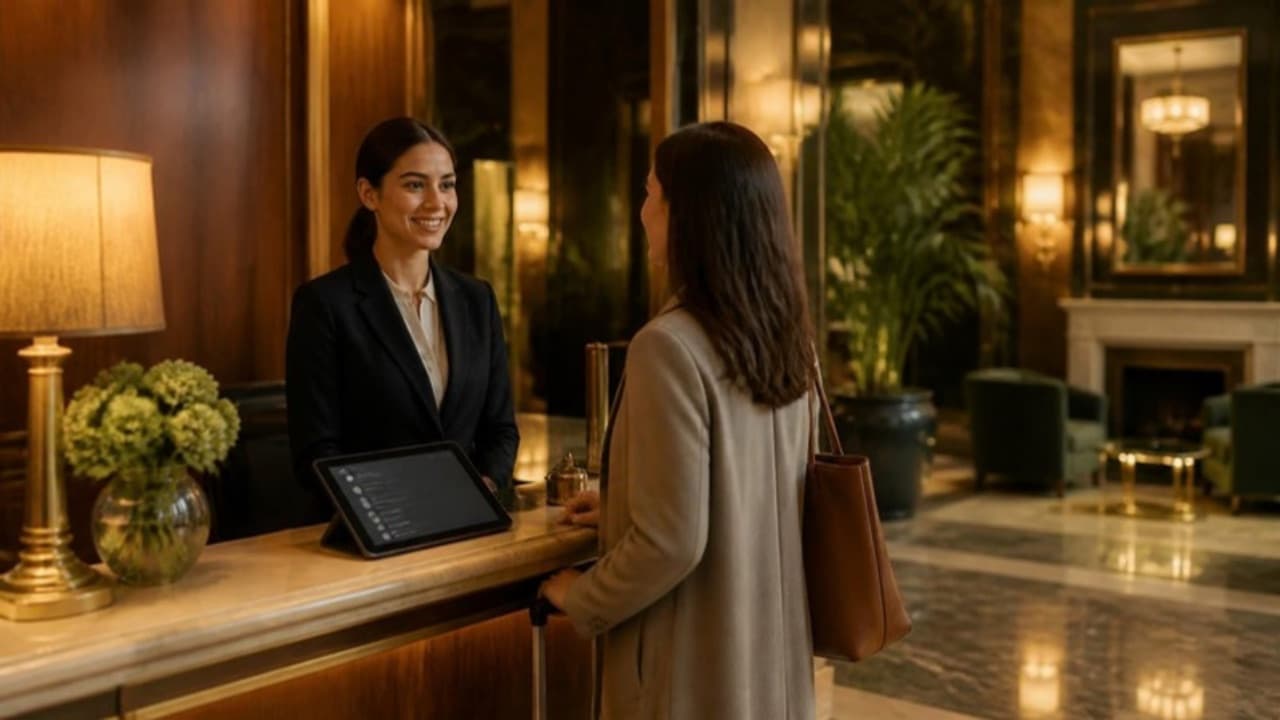
AI reservation and guest messaging
An AI guest agent that answers, upsells and books across five hotels
Reservation enquiries came through email, WhatsApp, Instagram and the booking engine, and the small reservations team could not keep up outside office hours. We built an AI guest agent that answers in seconds, checks live availability, and completes or hands off bookings.
70%
Enquiries resolved without staff
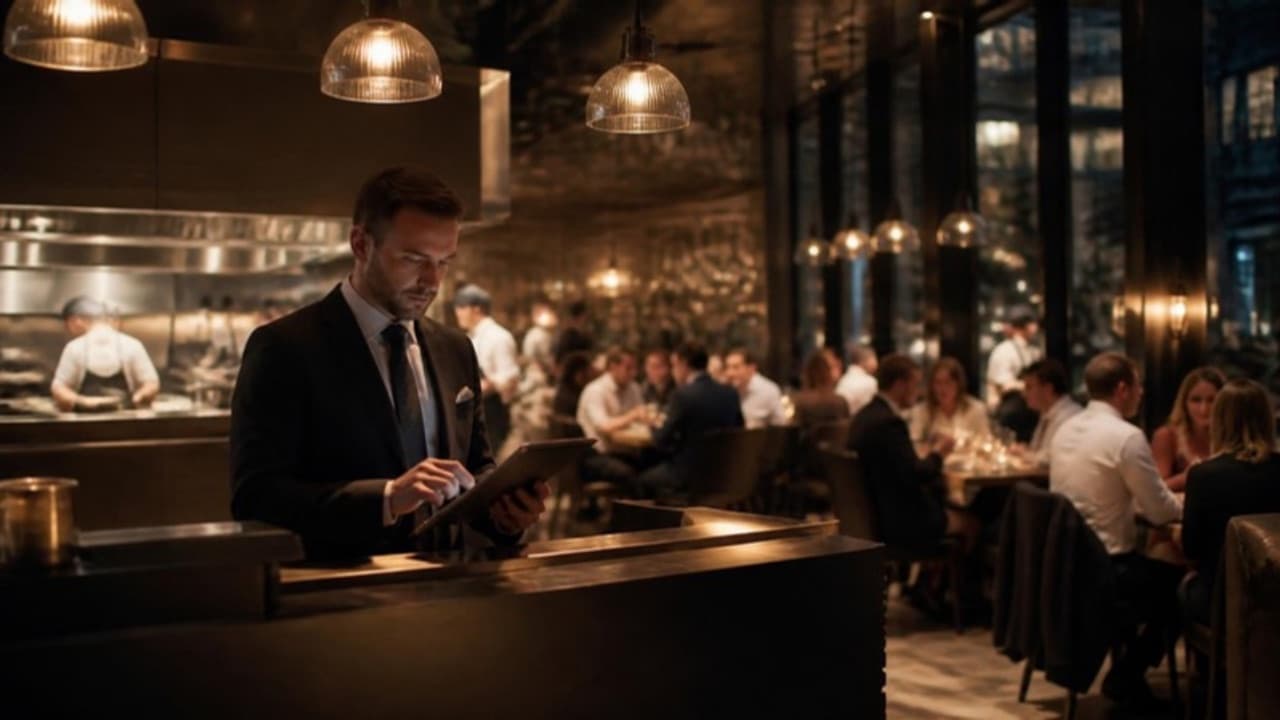
Reputation and review automation
Every review answered within hours across 40 restaurant locations
Reviews on Google, TripAdvisor and delivery apps went unanswered for days, and head office only learned about problems from monthly reports. We built a workflow that drafts on-brand responses, routes serious issues to the right manager, and turns review themes into a weekly operations brief.
6 hrs
Median response time
Meetings and events sales automation
Group and event proposals out in 90 minutes instead of three days
Corporate event planners send the same request to six hotels and book the one that answers first with a clear price. This group’s sales teams took three days. We built a workflow that reads the RFP, checks space and room availability, prices against the revenue management rules, and drafts a proposal the sales manager can send after a short review.
90 min
Median RFP response time
Procurement and inventory automation
Kitchen ordering across 22 restaurants without the 6am phone calls
Twenty-two kitchens ordered from forty suppliers by phone, text and supplier apps, with chefs guessing quantities from memory. Food cost varied five points between sites. We built an ordering workflow that proposes each day’s order from sales forecasts and stock counts, sends it to the right supplier in their format, and reconciles deliveries and invoices automatically.
3.2 pts
Reduction in food cost percentage
Have a similar bottleneck?
Tell us how the work happens today. We will show you the workflow we would build and prototype it on your own process.