
Wholesale and retail lead generation
Taking a D2C beverage brand into 300 retail doors with outbound
A direct-to-consumer beverage brand had strong online reviews and rising ad costs. Growth needed wholesale: independent grocers, gyms, cafés and regional chains. We built an outbound engine to buyers and owners, with samples and sell-sheets handled by workflow, and the brand opened hundreds of retail doors without a field sales team.
- Client
- Functional beverage brand
- Region
- United States
- Scale
- 25 to 40 employees
- Timeline
- Live in 2 weeks, measured over 10 months
Representative engagement. Client details are anonymised and figures reflect typical outcomes from comparable deployments.
What the client got
0
Retail doors opened
In ten months, with no field sales hires.
0%
Of sampled stores placed a first order
Local demand data made the pitch concrete.
0
Regional distributors signed
On the strength of the door count the outbound engine created.
The bottlenecks
Bottleneck 1
Customer acquisition cost was climbing
Paid social CAC had doubled in eighteen months. Online growth alone could not fund the business.
Bottleneck 2
Wholesale was founder-led and slow
The founders pitched retailers they could reach personally. There was no list, no sequence and no follow-up after samples went out.
Bottleneck 3
Distributors wanted proof of pull
Regional distributors asked how many doors the brand was already in. The answer was not enough.
What we built
Step 1
Retail target mapping
Independent grocers, specialty stores, gyms and café groups were mapped by region, category fit and proximity to existing online customers (the brand’s own order data showed where demand already existed).
Step 2
Demand-backed messaging
Outreach to each store referenced the number of the brand’s online customers within a few miles, the margin structure and a free sample case. Buyers at chains received category data and velocity from comparable stores.
Step 3
Sample and follow-up workflow
Replies requesting samples triggered fulfilment, a delivery notification, and a timed follow-up sequence with reorder links. Nothing was forgotten after the case shipped.
Step 4
Wholesale CRM and reorder tracking
Every door, order and reorder was tracked, giving distributors a live door count and the brand a view of which regions and store types reorder fastest.
The automation workflow
D2C to retail door pipeline
From online demand data to reordering store
Questions clients ask about this engagement
How did you use online customer data without sharing it?
Only aggregate counts by postcode area were used in outreach. No customer was identified or contacted.
Does this work for non-food D2C?
Yes. The same pattern applies to beauty, pet, home and apparel brands selling into specialty retail; the target list and sample logistics change.
More in E-Commerce & D2C
Industry overview
AI email marketing automation
An AI email marketing engine that ships campaigns in hours, not weeks
An agency running email for a dozen consumer brands was limited by how fast its team could brief, write, build and QA campaigns. We built an AI engine that turns a product feed and a campaign brief into segmented, on-brand emails ready for review, and automates the lifecycle flows every brand needs.
5x
More campaigns per brand per month
Customer support automation
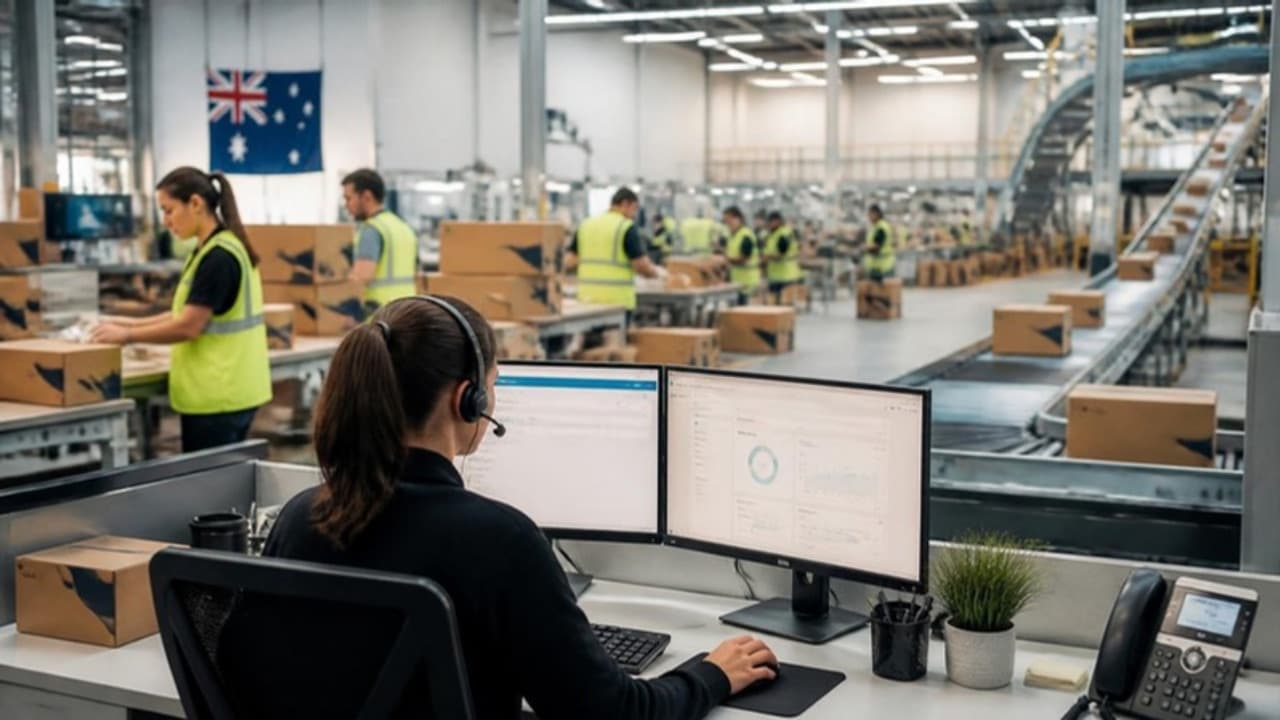
Order status, returns and exchanges handled without a support agent
Three quarters of support tickets were about order status, returns or exchanges, and the queue doubled every sale. We automated those tickets end to end, connecting the help desk, Shopify and the carriers, and left agents with the conversations that need a person.
72%
Tickets resolved with no agent
Catalogue and content automation
Product listings for 40,000 SKUs written, translated and kept compliant by AI
A seller with 40,000 SKUs on Amazon, eBay, Otto and its own store could not keep listings complete, consistent or translated. New products took weeks to go live. We built a content pipeline that turns supplier data into optimised, marketplace-compliant listings in six languages, with humans reviewing exceptions rather than writing from scratch.
2 days
From supplier feed to live in six languages
Conversational commerce automation
A WhatsApp shopping agent that recovers carts and answers sizing at 2am
A fashion brand selling across India and the Gulf did most of its customer conversation on WhatsApp, with a team of eight answering sizing, delivery and exchange questions by hand. Abandoned carts were followed up with a generic blast. We built a WhatsApp agent that knows the catalogue, the customer and the order, recovers carts with a conversation, and hands off to a person when it should.
23%
Abandoned cart recovery rate
Have a similar bottleneck?
Tell us how the work happens today. We will show you the workflow we would build and prototype it on your own process.