
Patient recall and scheduling automation
Hygiene recalls and no-shows handled by workflow across 18 dental practices
A dental group’s hygiene schedule was the engine of its revenue, and a fifth of slots went empty. Recall lists were printed, front desks called when they had time, and no-shows were discovered when the chair sat idle. We built a recall and confirmation workflow that fills the schedule from the practice management system and works the waitlist automatically.
- Client
- Dental support organisation
- Region
- United States
- Scale
- 18 practices, 260 employees
- Timeline
- 8 weeks, rolled out in two waves
Representative engagement. Client details are anonymised and figures reflect typical outcomes from comparable deployments.
What the client got
0%→7%
Hygiene no-show rate
Confirmation fallbacks and waitlist fill keep chairs occupied.
0%
More recall appointments booked
Patients book by replying instead of waiting for a call.
0.0M $
Previously unscheduled treatment booked
In the first year, from the treatment follow-up sequence.
The bottlenecks
Bottleneck 1
Recalls depended on front desk time
Patients due for hygiene were on a report nobody had time to call. Six-month recalls slipped to nine or twelve.
Bottleneck 2
No-shows left chairs empty
Reminders were a single text two days out. Patients who did not reply were assumed to be coming, and often were not.
Bottleneck 3
Treatment plans went unscheduled
Diagnosed but unscheduled treatment sat in the system. Nobody followed up because the list was too long to work by hand.
What we built
Step 1
Recall sequences from the PMS
Patients due for hygiene enter a multi-channel sequence (text, email, voice message) that offers open slots at their home practice and lets them book by replying. Unresponsive patients are escalated to a front desk task with a drafted script.
Step 2
Confirmation with fallback
Appointments are confirmed at seven days, two days and the morning of. Unconfirmed slots at 48 hours trigger the waitlist: patients who asked for earlier appointments are offered the slot in order.
Step 3
Unscheduled treatment follow-up
Diagnosed treatment over a value threshold triggers a sequence explaining the procedure in plain language, the insurance estimate, and a booking link, with escalation to the treatment coordinator for high-value cases.
Step 4
Practice performance view
Regional managers see recall effectiveness, no-show rate, waitlist fill rate and unscheduled treatment value by practice, weekly.
The automation workflow
Recall to filled chair
Hygiene recall and no-show prevention
Questions clients ask about this engagement
Is patient data handled under HIPAA?
Yes. The workflow runs on HIPAA-eligible infrastructure under a business associate agreement, messages contain the minimum necessary information, and patients can opt out of any channel.
Does the AI diagnose or recommend treatment?
No. It explains treatment the dentist has already diagnosed, using approved language, and books appointments. Clinical questions are routed to the practice.
More in Healthcare
Industry overview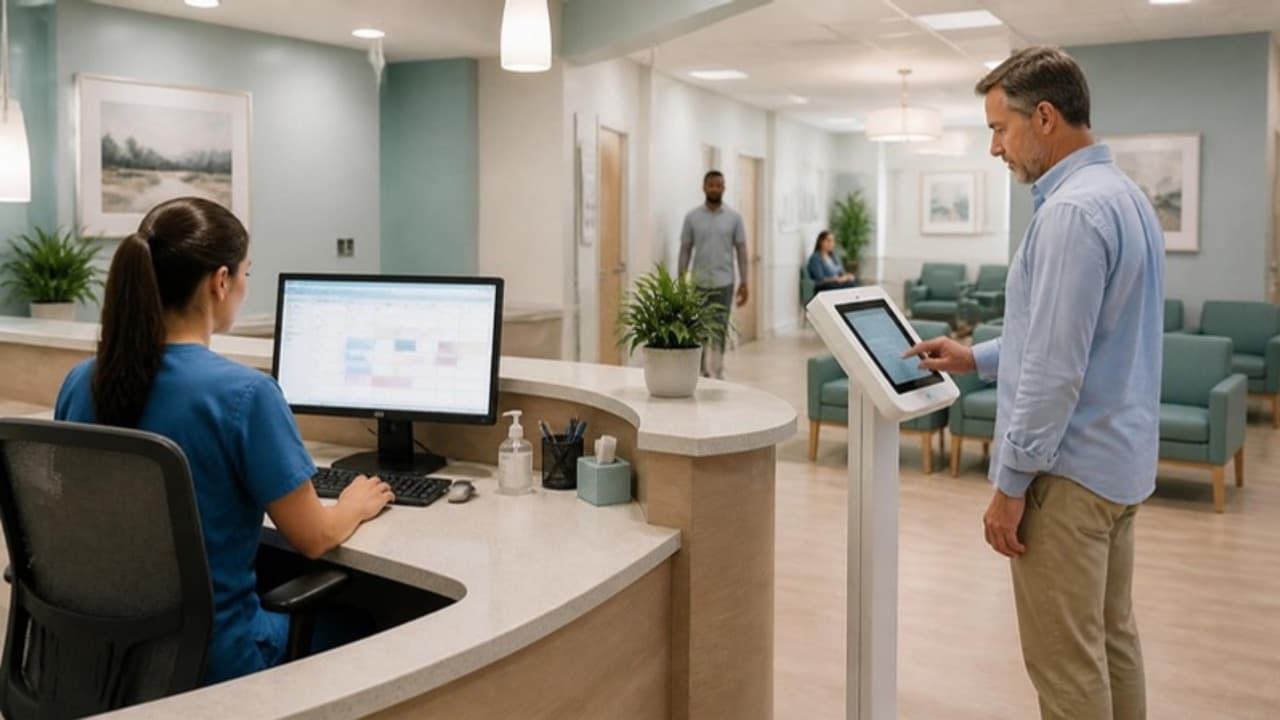
Healthcare workflow automation
Patient intake and reminders that cut no-shows for a multi-clinic group
Front desk staff re-keyed paper intake forms, chased confirmations by phone, and still faced a double-digit no-show rate. We automated digital intake, insurance checks and multi-channel reminders with privacy controls built in, so clinicians see more patients and staff do less data entry.
38%
Reduction in no-shows

B2B lead generation
Reaching hospital CIOs for a healthcare IT vendor
Selling into hospitals means long cycles and cautious buyers who ignore generic outreach. We built an account-based outbound programme for a healthcare IT vendor that reached CIOs and department heads with specific, relevant messages and produced a steady flow of discovery meetings.
12
Discovery meetings per month
Patient communication automation
Lab reports delivered, explained and queried without a call centre
A diagnostic chain processed 20,000 reports a day and ran a 60-seat call centre to tell patients their report was ready and answer “is this value normal”. We built a WhatsApp workflow that delivers reports securely, explains results in plain language within safe boundaries, routes clinical questions to pathologists, and books follow-up tests.
68%
Reduction in inbound call volume
B2B lead generation for medical devices
Reaching procurement and department heads for a medical device distributor
A distributor with new lines in patient monitoring and infection control relied on tenders and relationships with a dozen hospitals. Expansion to private hospital groups and day-surgery centres needed conversations with biomedical engineers, department heads and procurement before tenders were written. We built an outbound engine around new facility openings, accreditation cycles and equipment age.
47
Clinical evaluations booked
Have a similar bottleneck?
Tell us how the work happens today. We will show you the workflow we would build and prototype it on your own process.