

B2B lead generation
Reaching hospital CIOs for a healthcare IT vendor
Selling into hospitals means long cycles and cautious buyers who ignore generic outreach. We built an account-based outbound programme for a healthcare IT vendor that reached CIOs and department heads with specific, relevant messages and produced a steady flow of discovery meetings.
- Client
- Healthcare IT software vendor
- Region
- United States
- Scale
- 60 to 100 employees
- Timeline
- Live in 3 weeks, retainer
Representative engagement. Client details are anonymised and figures reflect typical outcomes from comparable deployments.
What the client got
0
Discovery meetings per month
With CIOs, CMIOs and IT directors at target health systems.
0%
Reply rate
Up from under one percent on the previous campaign.
0
Domain reputation incidents
Dedicated infrastructure kept the corporate domain clean.
The bottlenecks
Bottleneck 1
Hospital buyers do not respond to volume outreach
Previous campaigns treated every hospital the same. Replies were near zero and the sender domain was flagged.
Bottleneck 2
Buying committees, not a single buyer
CIO, clinical informatics, compliance and procurement all had a say, and sales was only talking to one of them.
Bottleneck 3
Conferences were the only pipeline source
Two events a year produced most leads, and nothing happened in between.
What we built
Step 1
Account tiering
Target health systems were tiered by size, EHR platform and known initiatives. Each tier got a message angle matched to what those systems are actually working on.
Step 2
Multi-threaded sequences
Two or three roles per account were approached in a coordinated way, with messaging specific to each role's concerns, through LinkedIn and our email platform.
Step 3
Reputation-safe sending
Dedicated domains, low daily volume, strict bounce handling and no attachments, so the vendor's own domain stayed clean.
Step 4
Reply handling with clinical awareness
Our team qualified replies against the vendor's criteria, including EHR compatibility and procurement timing, before booking discovery calls.
The automation workflow
Account-based healthcare outbound
Tiered accounts to discovery meetings
Questions clients ask about this engagement
Can you target by EHR platform?
Yes. Health systems can be filtered by known EHR vendor, bed count, region and ownership type, which shapes both the list and the message.
How do you measure success?
Reply rate, conversation rate and booked discovery meetings. We do not report opens or clicks.
More in Healthcare
Industry overview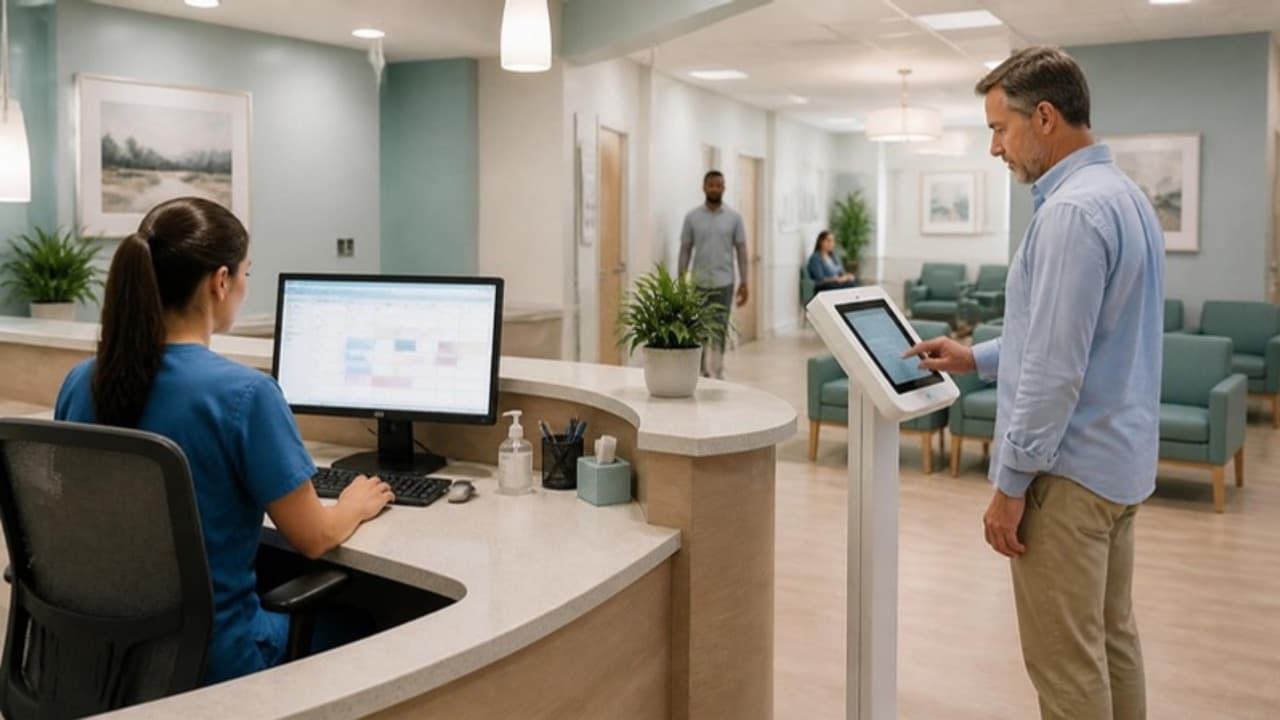
Healthcare workflow automation
Patient intake and reminders that cut no-shows for a multi-clinic group
Front desk staff re-keyed paper intake forms, chased confirmations by phone, and still faced a double-digit no-show rate. We automated digital intake, insurance checks and multi-channel reminders with privacy controls built in, so clinicians see more patients and staff do less data entry.
38%
Reduction in no-shows
Patient recall and scheduling automation
Hygiene recalls and no-shows handled by workflow across 18 dental practices
A dental group’s hygiene schedule was the engine of its revenue, and a fifth of slots went empty. Recall lists were printed, front desks called when they had time, and no-shows were discovered when the chair sat idle. We built a recall and confirmation workflow that fills the schedule from the practice management system and works the waitlist automatically.
21%→7%
Hygiene no-show rate
Patient communication automation
Lab reports delivered, explained and queried without a call centre
A diagnostic chain processed 20,000 reports a day and ran a 60-seat call centre to tell patients their report was ready and answer “is this value normal”. We built a WhatsApp workflow that delivers reports securely, explains results in plain language within safe boundaries, routes clinical questions to pathologists, and books follow-up tests.
68%
Reduction in inbound call volume
B2B lead generation for medical devices
Reaching procurement and department heads for a medical device distributor
A distributor with new lines in patient monitoring and infection control relied on tenders and relationships with a dozen hospitals. Expansion to private hospital groups and day-surgery centres needed conversations with biomedical engineers, department heads and procurement before tenders were written. We built an outbound engine around new facility openings, accreditation cycles and equipment age.
47
Clinical evaluations booked
Have a similar bottleneck?
Tell us how the work happens today. We will show you the workflow we would build and prototype it on your own process.